
How Source Water Quality Levels Dictate Water Harvesting System Design
Published: Aug. 2023 | by Wahaso Water Harvesting Solutions
How Source Water Quality Levels Dictate Design for Water Harvesting Systems For Commercial Buildings
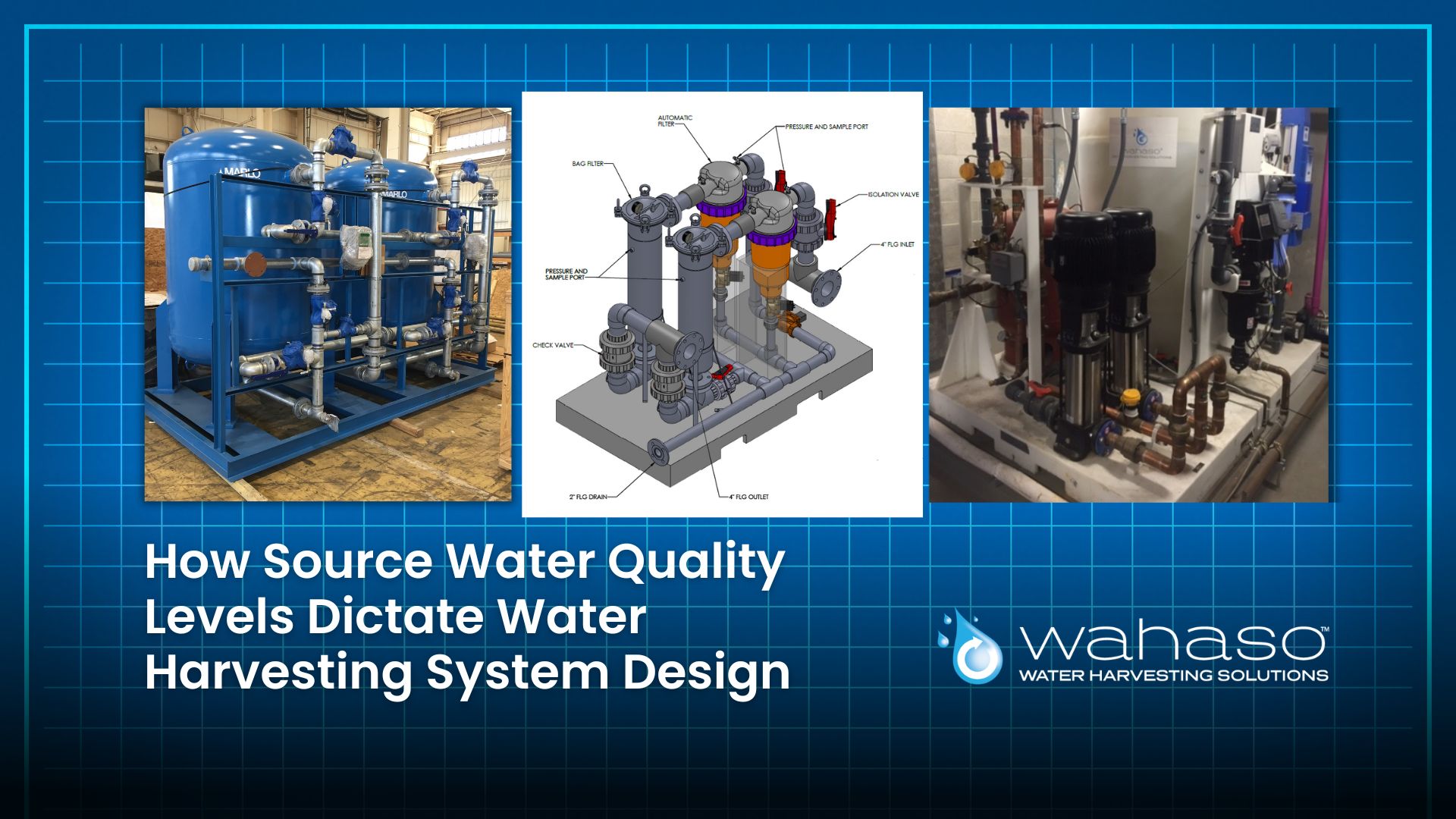
One of the most crucial factors influencing the overall design of a water harvesting system is the quality of the source water, specifically its contaminant levels. The presence of contaminants, particulates, sediment, etc, poses considerable challenges to system operational effectiveness and longevity.
A thorough water quality analysis is crucial at the early design stage, to identify and quantify contaminants including total suspended solids (TSS), organic matter, heavy metals, pathogens, hydrocarbons, and chemical pollutants. The resulting data informs the design of the treatment chain engineers will implement to effectively filter and sterilize any contaminants present, prior to water is ultimately conveyed to end use.
High levels of suspended solids and organic matter tends to clog collection surfaces and pipes, reducing water yield
High levels of suspended solids and organic matter tends to clog collection surfaces and pipes, reducing water yield and increasing maintenance requirements. Pre-filtration methods, including settling tanks and mesh filters, are typically incorporated to remove particulates prior to water entering the main cistern (tank), to ensure that cistern is blockage free for the long term.
When source water contains elevated levels of chemical pollutants, heavy metals, or hydrocarbons, a more robust treatment approach must be approached. Depending on the specific nature of contaminants, treatment technologies including UV and chlorine dosing, modified ultrafiltration, and multi-media and multi-stage filters, are often incorporated. The choices of those components may be further influenced by the required quality of the end use water, whether for drip irrigation, toilet flushing, cooling tower makeup, or other.
Pathogens in source water pose significant health risks to end-users if not properly treated
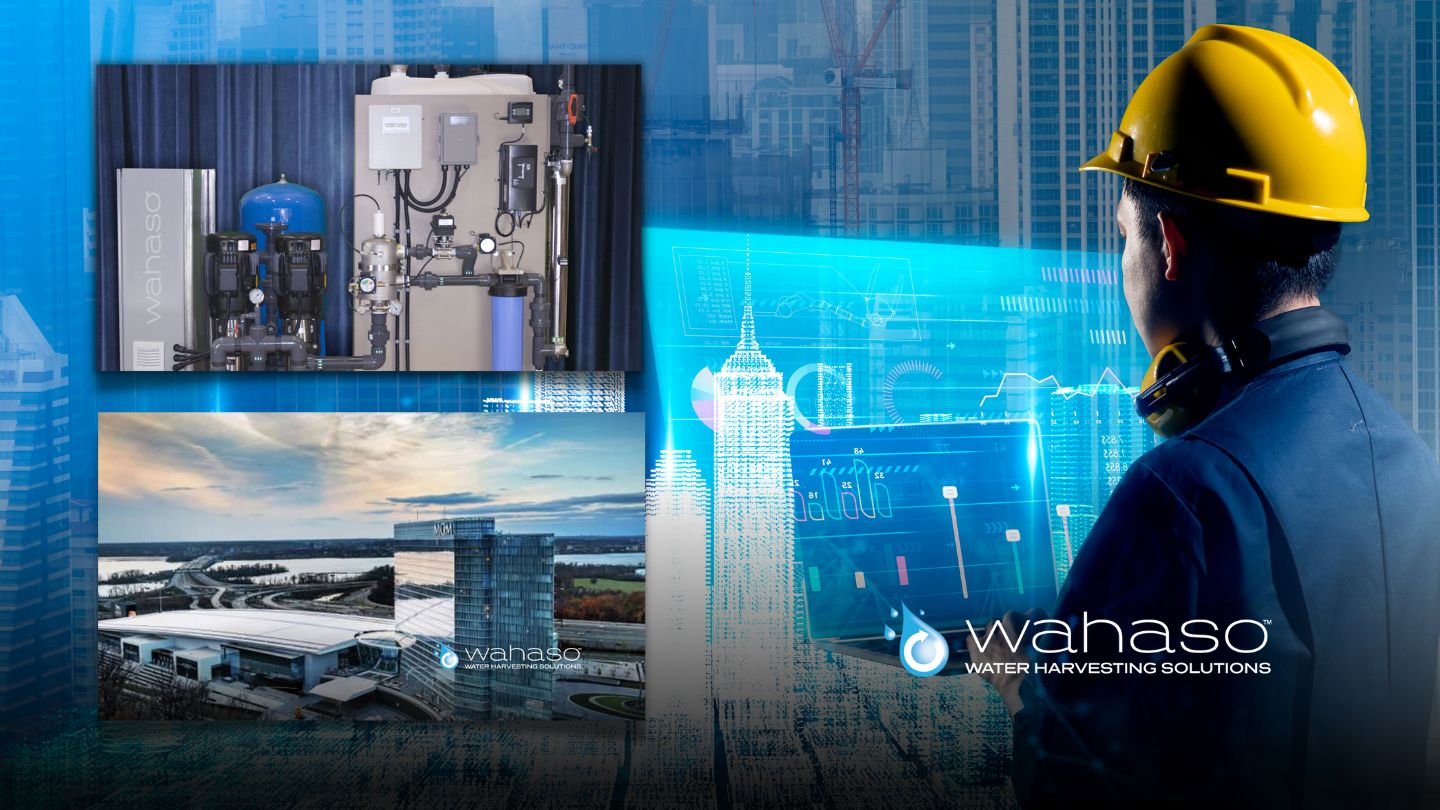
Pathogens in source water pose significant health risks to end-users if not properly treated, so incorporating a sterilization stage into the water harvesting system is vital to ensure the highest quality of resulting treated water. Common methods include ultraviolet (UV) treatment, chlorine dosing, and ozonation, and the chosen method is essentially also dictated by water source and demand category and quality.
Seasonal variability of source water
It’s also crucial to consider the seasonal variability of source water quality, as some regions may experience changes in contaminant levels due to weather conditions or human activities (algae content, TSS, etc). Any water harvesting system should be designed to account for such fluctuations and adapt to changing water quality conditions.
Wahaso offers state-of-the-art commercial rainwater and greywater harvesting systems. Which include all types of water harvesting systems, and water harvesting system design, specifically water harvesting systems for commercial buildings. Contact us for a Free Estimate.
Since 2004
Wahaso Mission
Our mission at Wahaso is to help municipalities and commercial property owners reduce the impact of their buildings on the environment through innovative and sustainable water practices.
Call For A Free Estimate
Phone: 800-580-5350
Wahaso
Water Harvesting Solutions
Members of the U.S. Green Building Council (USGBC) www.usgbc.org
View Certifications